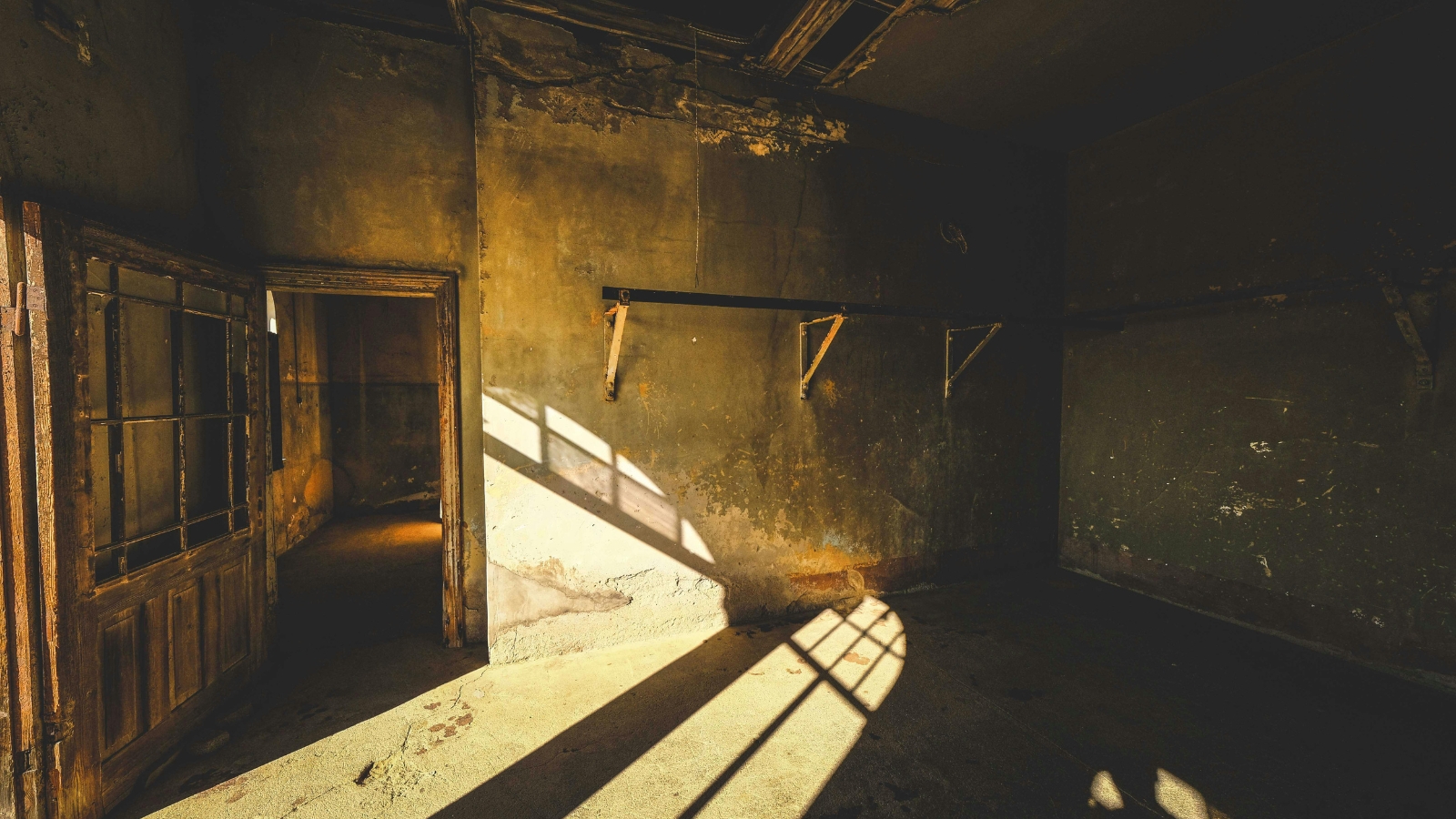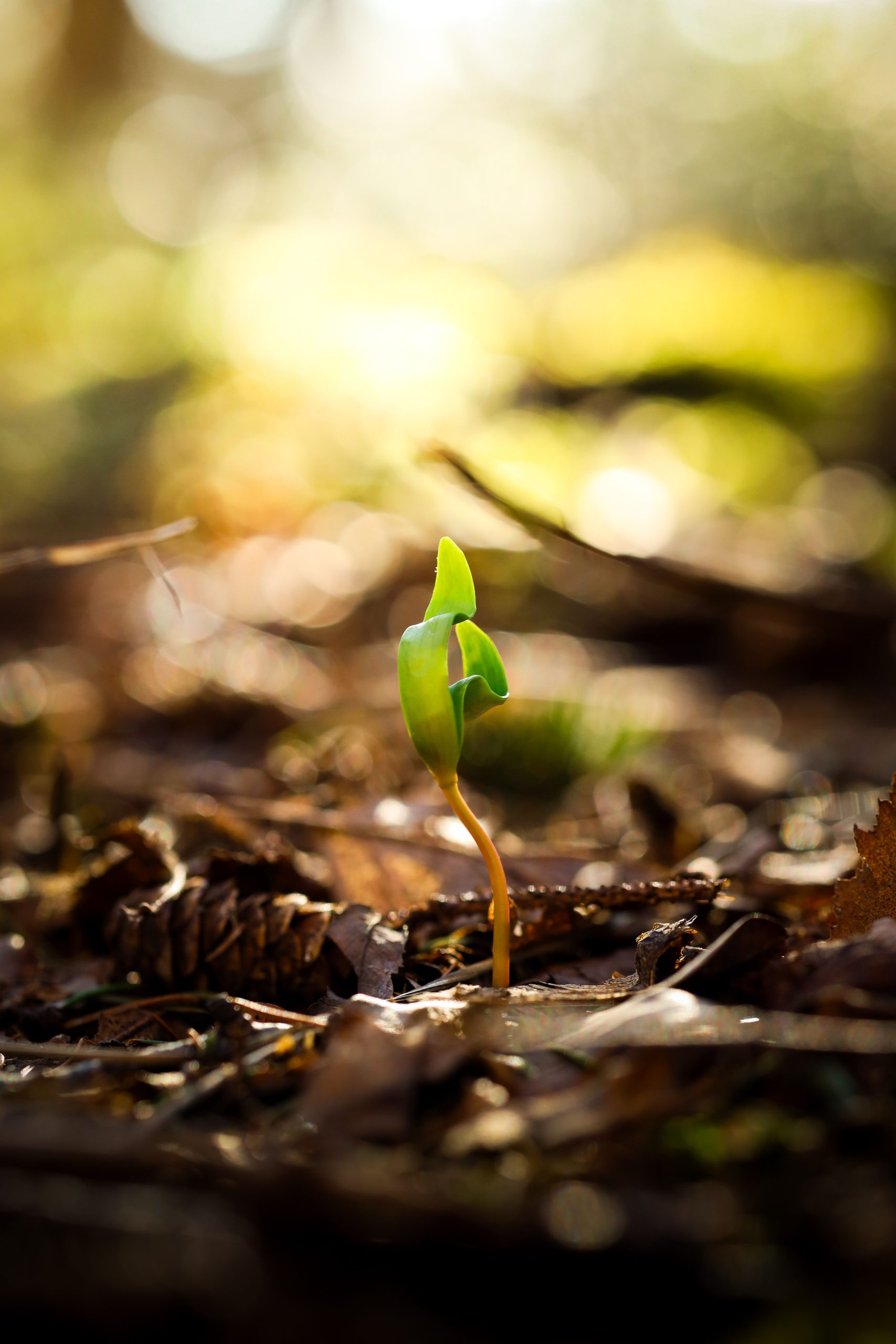

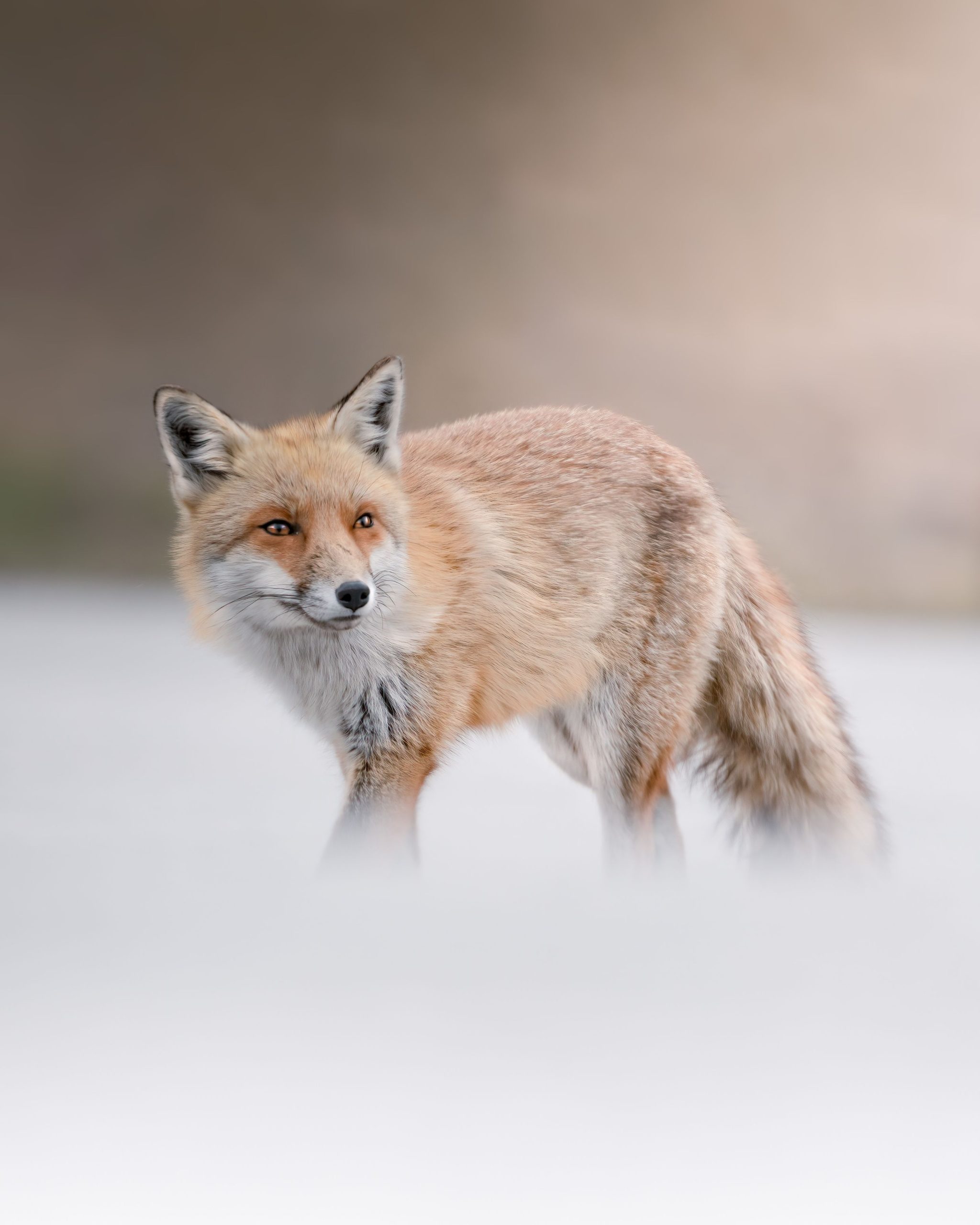
Photo by Gabriele Brancati on Pexels
For more than twenty years, my job has been noticing. Which board member takes his coffee black. Who needs the agenda two days early. Which question is coming before anyone in the room has thought to ask it. So it caught me off guard when an old friend from Cape Town, someone I hadn’t seen since I left in 2020, called me on video one afternoon. It was already evening where she was. She leaned in close to her screen and asked, “So what are you up to these days?” I answered with a list of other people.
This story is mine. I shared the experience and the ideas, and I used AI to help shape the writing.
This piece sits with Hexagram 20, Contemplation: the season of looking again, slowly, before deciding anything about who you are. If you’ve been quietly asking “who am I now that my kids are grown?”, this is a gentler way to ask it.
I told her about work, mostly. How busy I was preparing for board meetings and management meetings, the fundraising galas, the papers that never quite stop. I told her how much I miss my children and grandchildren, and how far away they feel. I told her about the weather, because I’m in Canada now and that’s what we do. She listened to all of it, the way old friends do, and then she said, “And you?”
I opened my mouth and nothing useful came out. Not a dramatic, tearful nothing. Just a blank where an answer should have been. After we hung up, I sat with my cold coffee and thought, I’m too old to be having an identity crisis. But here we were.
Look Again, Slowly
The fourth line of Contemplation (each hexagram has six lines, read from the bottom up) describes someone who watches the world from a little higher up and sees people clearly: how they move, what they need, what they’re about to do. I recognized myself in it straight away. That’s what I do all day for other people. It had never once occurred to me to do it for myself.
A wildlife photographer doesn’t decide in advance what the fox will do. She sets up her hide, sits very still, and records what actually happens. She doesn’t arrive with a list of the pictures she wants. She waits, and the animal shows her who it is.
So for one week, I sat in the hide of my own life. I kept a small notebook on the kitchen counter, and I wrote down what I chose when nobody was choosing for me. Not what I should choose. Not what a better version of me might choose. Just what I did.
Most of it was ordinary. I cooked myself a proper wholefood dinner and sat down to eat it on a real plate. I let a call go to voicemail because I was in the middle of something I was enjoying. I went for a walk with no dog to give me a reason, just to see where it took me. But one thing showed up every single day, without fail. I was up at five, long before anyone could need me, and I loved it. I always have. In South Africa, the first hour went to YouTube videos, mostly motivational talks and astrology, the two subjects I’ve always been curious about, and the second to a walk with my dog. There’s no dog in Canada, and without one, both hours had quietly drifted back to the screen.
Noticing Without Getting Stuck
By the third day, I caught the old habit creeping in. I had started drafting a plan: a morning routine with steps, a tracker, a better version of something that was already working perfectly well. The assistant in me wanted to put it in the calendar and improve it.
A photographer doesn’t edit while she’s shooting. If she stops to judge every frame, she misses the fox. The noticing and the deciding are two separate jobs, and the noticing has to come first.
We do not learn from experience… we learn from reflecting on experience.
Often attributed to John Dewey
So I put the plan away and kept watching. The mornings didn’t need fixing. They needed to be seen for what they were: the one part of my day that had always been mine, even in the years when almost nothing else was.
Come Down the Mountain
The answer to “who am I now?” didn’t arrive as a revelation. It arrived as one small, ordinary choice. I gave the start of that hour to my daily reflection instead of my phone: coffee, one hexagram, one honest question. (I wrote about how that habit began in my last piece.) Now the time between five and seven belongs to me. My reflection first, then the work that slowly became My Daily Return. At seven, I get ready for work like everyone else. It didn’t make me a new person. It made me a slightly more honest one.
I haven’t spoken to my friend since that call, but I know what I’ll tell her when I do. I’ll tell her I’m still the woman she knew in Cape Town, the one who was up before everyone else and noticed everything. The difference is that now I spend the first two hours of each day noticing me: what I think, what I’m curious about, what I want next. I’ll tell her I’m building something of my own in those hours, a small daily practice for women like us. And I’ll tell her that for the first time in a long time, I can answer her question without listing anyone else.
I still notice who takes their coffee black. These days, I also know how I take mine.
What did you choose this week that nobody asked you to?
The answer to “who am I now?” is usually already showing up in your small choices, waiting to be noticed. If you’d like a gentle way to start looking, the free guide, 5 Ways to Trust Your Inner Knowing Again, is a good place to begin, no chart required.